Beaver Hills Biosphere
Registered Name: Beaver Hills Biosphere Reserve Association
Business No: 753179936RR0001
This organization is designated by Canada Revenue Agency (CRA) as a registered charity. They comply with the CRA's requirements and have been issued a charitable registration number.
This charity is fully set up with CanadaHelps, allowing for faster donation processing and access to more features
The Beaver Hills was designated as a biosphere on March 19, 2016 by the United Nations Educational, Scientific and Cultural Organization (UNESCO). This is a global recognition of a collective commitment by the communities within the region to celebrate and advance knowledge, culture, nature and economy together.
One of only 19 biospheres in Canada, it is a distinct geographic area and resilient landscape in which people work together to contribute to the environmental, social, cultural and economic well-being of the Beaver Hills region.
What Makes the Beaver Hills Biosphere Special
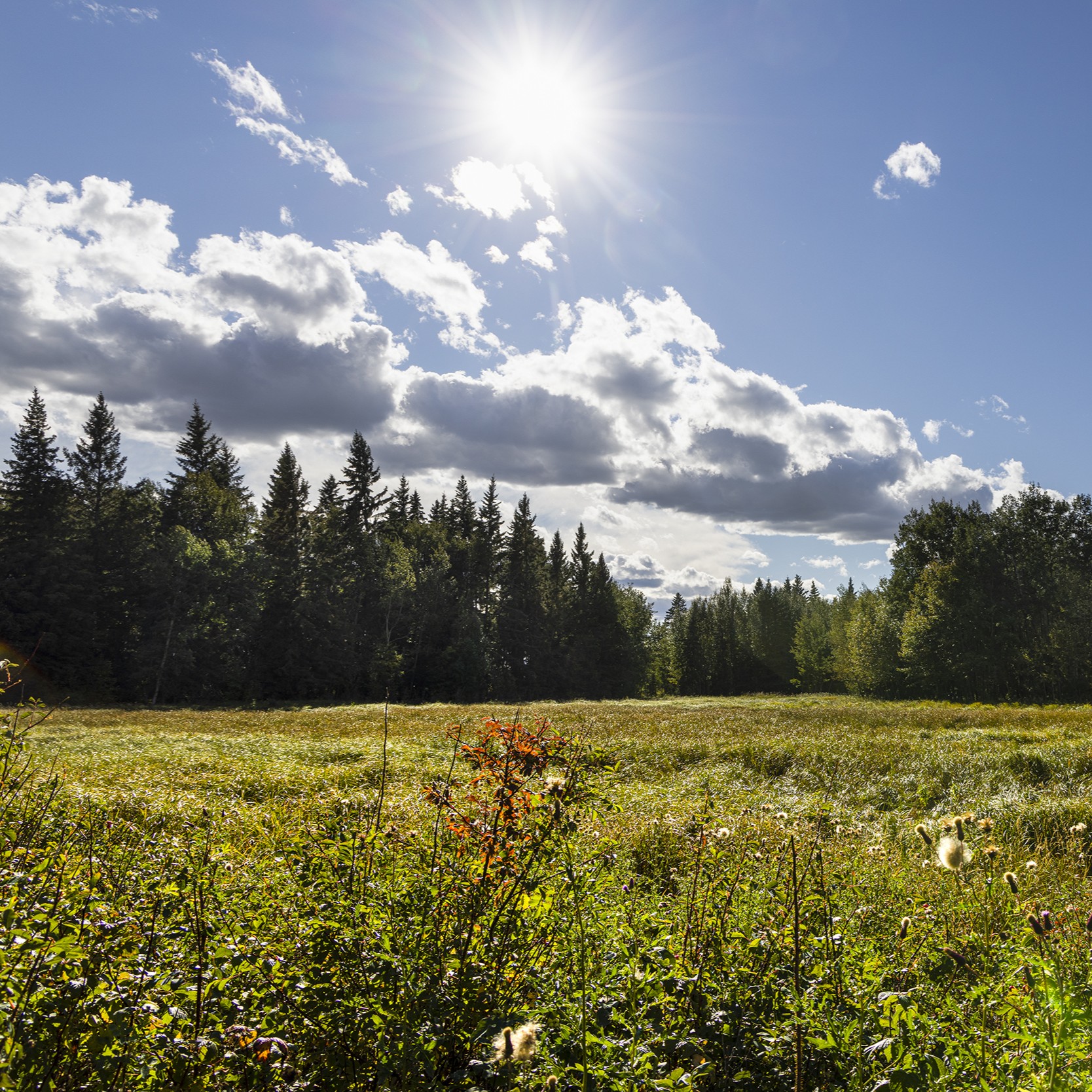
- Ecological treasure: The Beaver Hills is an island of rolling hills, wetlands, lakes and forests surrounded by farmland and development. It provides habitat for over 48 species of mammals, 8 species of amphibians and reptiles, and more than 150 bird species.
- Protected areas: Large protected areas of note include Elk Island National Park, Cooking Lake-Blackfoot Provincial Recreation Area, Miquelon Lake Provincial Park, and other important conservation lands.
- Community collaboration: The Biosphere grew out of the Beaver Hills Initiative (2002), a partnership of 20+ organizations working to balance growth with conservation in the region. The Biosphere is administered by the Beaver Hills Biosphere Region Association.
- A lived-in landscape: Communities, governments and organizations collaborate to conserve biodiversity and ecosystems, promote sustainable economic and human development, celebrate cultural heritage and community well-being in the Beaver Hills.
The Beaver Hills Biosphere is both a conservation success story and a living experiment in sustainable community development. It’s a place where ecological richness meets human stewardship, offering lessons for Alberta and beyond.
Why CanadaHelps
Why donate to Beaver Hills Biosphere on CanadaHelps?

About CanadaHelps
We're a registered charity that provides simple and convenient tools to manage your charitable giving to any Canadian charity of your choice.
Where Your Gift Goes
Charities that set up to receive electronic funds transfers from us will receive your donation quickly, so it can be put to work faster.
Tax Benefits of Donating
Get an instant tax receipt, manage all your tax receipts in one place, and make a difference while maximizing your tax credits with ease.