Chiots Nordiques
Registered Name: CHIOTS NORDIQUES, NORTHERN PUPPIES
Business No: 744056094RR0001
This organization is designated by Canada Revenue Agency (CRA) as a registered charity. They comply with the CRA's requirements and have been issued a charitable registration number.
This charity is fully set up with CanadaHelps, allowing for faster donation processing and access to more features
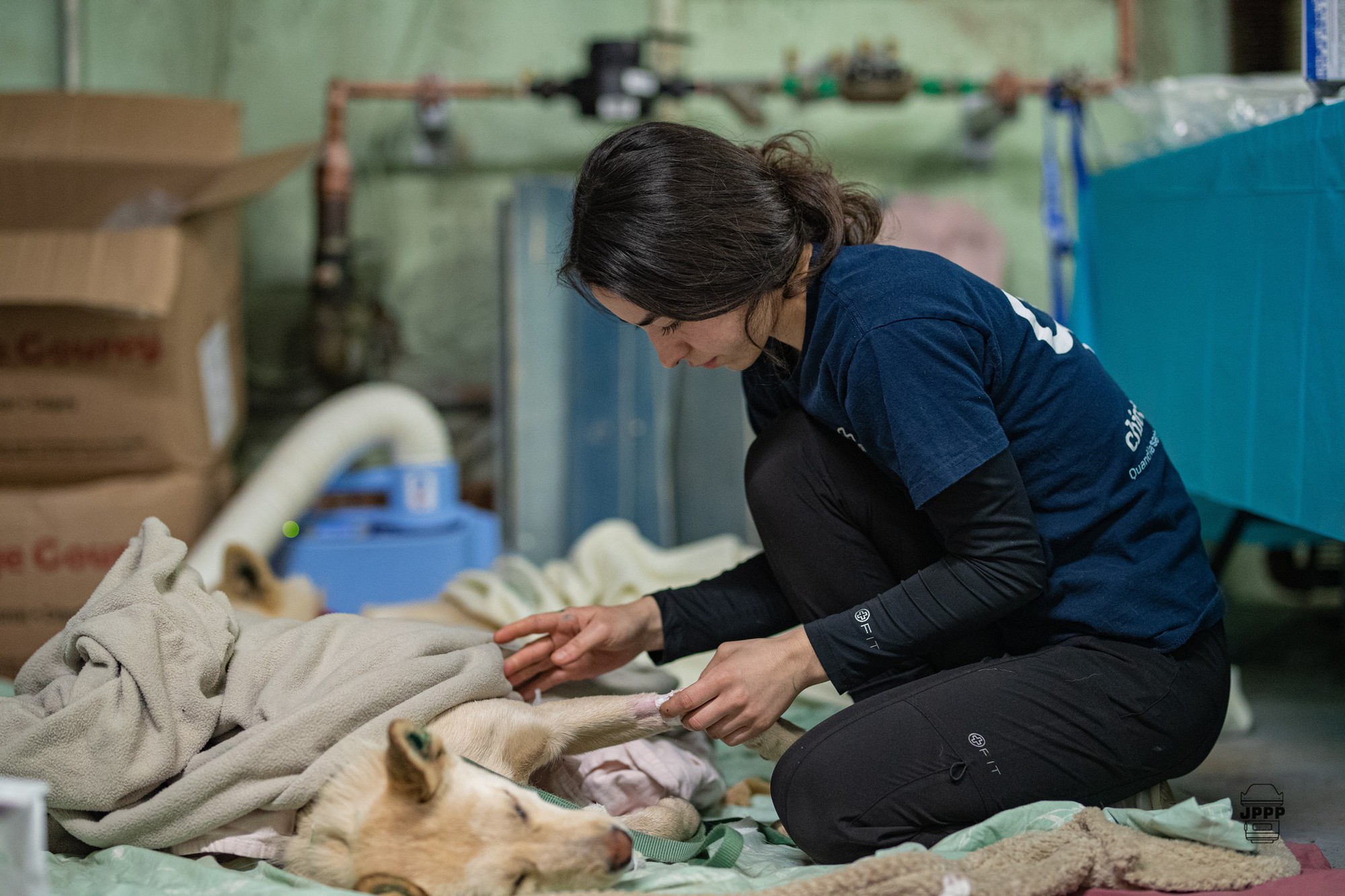
Out of the 55 indigenous communities in Quebec, nearly 55% do not have access to nearby veterinary care. Dog overpopulation in indigenous communities continues to result in stray dog issues each year, causing significant animal welfare, animal health, and public health impacts. The lack of veterinary services nearby, poverty in many communities, free-roaming unsterilized dogs, and many other factors are leading to an uncontrollable overpopulation. Without a permanent solution, the consequences on these communities are repeated year after year: residents who fear walking near packs of dogs, cases of bites, rabid animals transferred to the south of the province, etc.
Since 2012, Chiots Nordiques has been providing to communities sustainable solutions to dog overpopulation issues and promotes harmonious cohabitation. Our team provides professional support for spay/neuter clinics, emergency rescue operations and food transfers. The organization also offers a component dedicated to raising awareness and educating the local population. These programs are voluntary and respect the needs, customs, and values of each visited community.
Our actions are guided by the One Health approach which takes into account the interdependence of human health, animal health and ecosystems. Our services aim to promote well-being and harmonious cohabitation for both human and animal populations.
Programs
Canine Sterilization Clinics
The organization provides effective, responsible, and professional support to various communities wishing to hold targeted spay/neuter clinics. These interventions allow for the sterilization, vaccination and deworming of animals that need it, in order to improve animal health, but above all, to answer crucial public health problems (anti-parasite and vaccination against rabies in particular).
Dog Transfers and Adoption Program
In situations requiring emergency transfers for medical care or transfers from clinics, these stray dogs are first taken care of through our network of fostering families. All dogs subsequently put up for adoption are examined by a veterinarian, spayed or neutered, primo-vaccinated, microchipped, and dewormed.
Food Transfers
Thanks to a partnership with Mondou, Chiots Nordiques transfers 90,000 kg of dry food to the communities.
Education and Awareness Program
In addition to improving the living conditions of the community, holding a sterilization clinic has a significant social dimension. This offer of services must be accompanied by an education and awareness program for local populations. Since our actions in the field are sporadic and short-lived, this program acts as a continuity of service when the Chiots Nordiques team is absent in the communities. Understanding local issues and passing on the right information is essential to the foundation of animal welfare. This program is meant to be a complementary tool to the field interventions, but also a sharing of values, knowledge, and educational tools outside of the organization’s actions.
Impacts
The beneficial impacts of the presence of Chiots Nordiques in communities are unequivocal:
- To offer a better accessibility to veterinary services in remote areas.
- To have a direct control of the dog population and significantly decrease the risks of fights and injuries.
- To reduce the risks of bites – rabies vaccination remains essential in endemic regions where children are 180% more likely to be killed by a dog.
- To offer a second chance to dogs that could die of cold or hunger or from mass shooting operations.
- To educate children and owners on animal care.
- To build close ties for reconciliation with indigenous communities, respecting their unique values, needs and issues.
- To have a direct impact on the population living in indigenous communities by providing a safe environment.
- To raise awareness among the non-indigenous population of both animal and human situations in communities.
- To put forward indigenous initiatives in terms of animal care, but also cultural and societal initiatives.
Why CanadaHelps
Why donate to Chiots Nordiques on CanadaHelps?

About CanadaHelps
We're a registered charity that provides simple and convenient tools to manage your charitable giving to any Canadian charity of your choice.
Where Your Gift Goes
Charities that set up to receive electronic funds transfers from us will receive your donation quickly, so it can be put to work faster.
Tax Benefits of Donating
Get an instant tax receipt, manage all your tax receipts in one place, and make a difference while maximizing your tax credits with ease.