
WILDLIFE PRESERVATION CANADA
Registered Name: WILDLIFE PRESERVATION CANADA/CONSERVATION DE LA FAUNE AU CA NADA
Business No: 891710535RR0001
This organization is designated by Canada Revenue Agency (CRA) as a registered charity. They comply with the CRA's requirements and have been issued a charitable registration number.
This charity is fully set up with CanadaHelps, allowing for faster donation processing and access to more features
Canada's last defence when a species' numbers in the wild are so low that hands-on conservation is required to save them from extinction.
Our Mission
Wildlife Preservation Canada - Canada's last defence for endangered species.
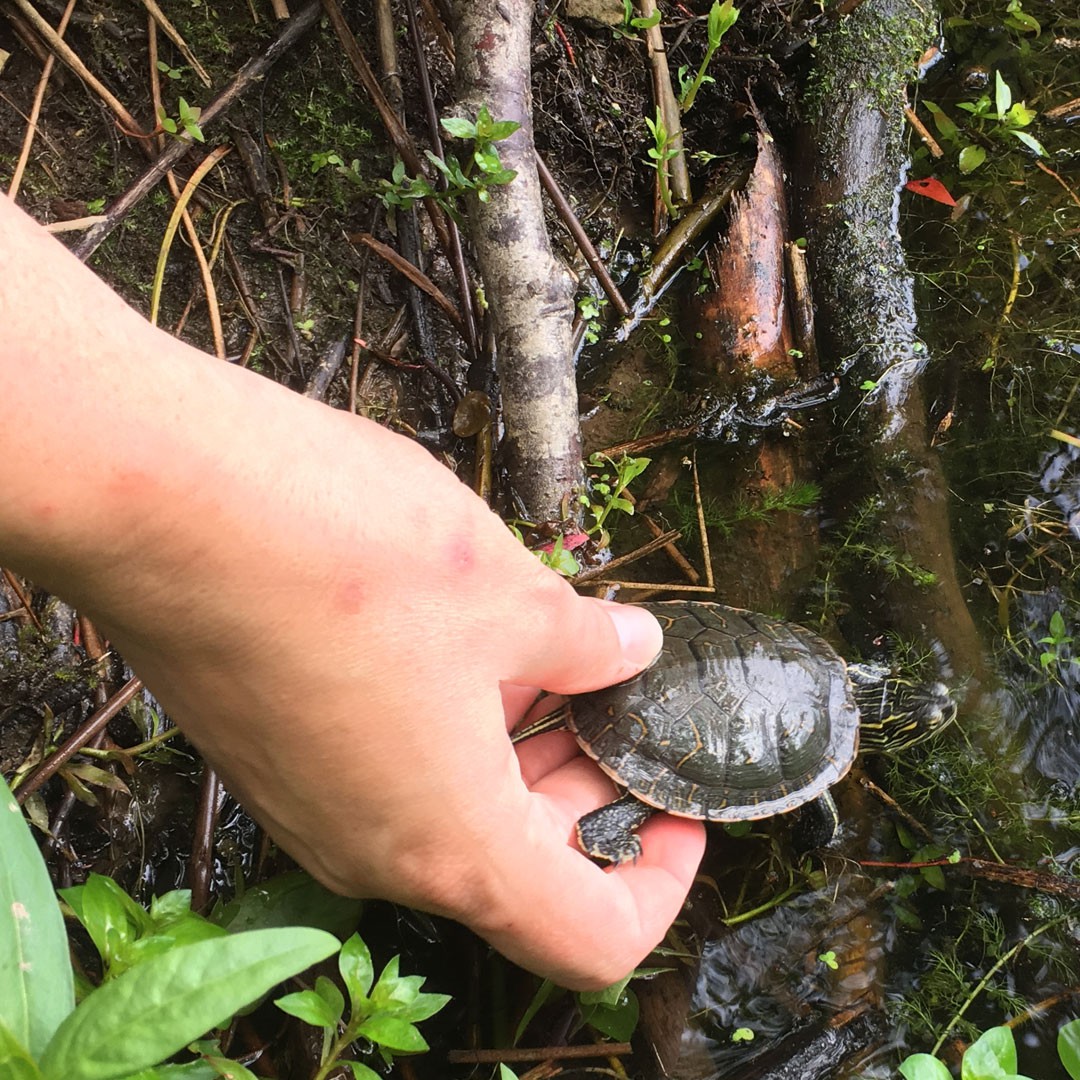
For dozens of Canadian species at risk, habitat protection alone is not enough. Wildlife Preservation Canada’s mission is to save animal species at risk from extinction in Canada by providing direct, hands-on care.
We are the only organization in Canada to provide this critical need for multiple species in multiple recovery efforts across the country. We specialize in science-based techniques such as conservation breeding and release, reintroduction and translocation. Our Action Plan is based on the urgency of the need and is updated annually.
We always work in collaboration with appointed recovery teams and other organizations. Our partners include federal and provincial ministries and parks, habitat-oriented charities and land trusts, zoos, universities and colleges, and local grassroots volunteer groups. Our role varies to suit the situation. In some cases, we are a supporting partner. In others, we take a lead, coordinating role. In all, our only agenda is to help save the species.
At the same time, we also build Canada’s conservation capacity by providing young scientists the opportunity to gain hands-on experience in working with species at risk. Our Canada’s New Noah scholarship program is designed to develop future conservation leaders with specialized expertise in recovery techniques for species on the brink of extinction.
All of our work yields measurable results. Our scientists collect high-quality field data so they can quantify the impact of their efforts and plan effective recovery strategies. They continually refine and improve their tools and techniques and publish the results so that this new knowledge is shared and can be used elsewhere. When the data shows that hands-on intervention is no longer necessary — as in the case of the swift fox — we redeploy our resources to help other species in greater need.
Why CanadaHelps
Why donate to WILDLIFE PRESERVATION CANADA on CanadaHelps?

About CanadaHelps
We're a registered charity that provides simple and convenient tools to manage your charitable giving to any Canadian charity of your choice.
Where Your Gift Goes
Charities that set up to receive electronic funds transfers from us will receive your donation quickly, so it can be put to work faster.
Tax Benefits of Donating
Get an instant tax receipt, manage all your tax receipts in one place, and make a difference while maximizing your tax credits with ease.