
This blog article is written by Christine Faubert, Vice President, Health Equity and Mission Impact at Heart & Stroke.
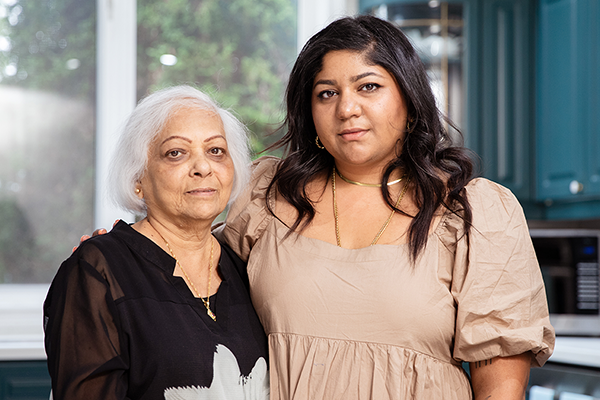
Adria Scarano speaks of her mother, Vivian, with deep admiration. “She was the mom that showed up all the time, everywhere,” Adria says — chaperoning field trips, volunteering in classrooms, cheering at every game. Later, Vivian poured that same love into her first granddaughter. “Mom became the devoted grandma,” says Adria.
The family was devastated when Vivian died suddenly at 65. The loss was especially hard because she had rebounded so well from an earlier heart attack, by quitting a 40-year smoking habit, going to fitness classes and staying on top of cardiology appointments. But her lifelong tendency to put others first slowly edged out her own needs. She was awaiting triple bypass surgery when she died in 2016, just weeks after meeting her second granddaughter.
Vivian’s death sparked a shift in Adria. “What do I have to do to avoid repeating this?” she asked herself. A rugby player and figure skater growing up, she continued to prioritize movement — skating still and taking up running, as well as listening closely to her body, as she entered perimenopause. “A 5-km walk at a brisk pace can be as beneficial as a 5-km run.”
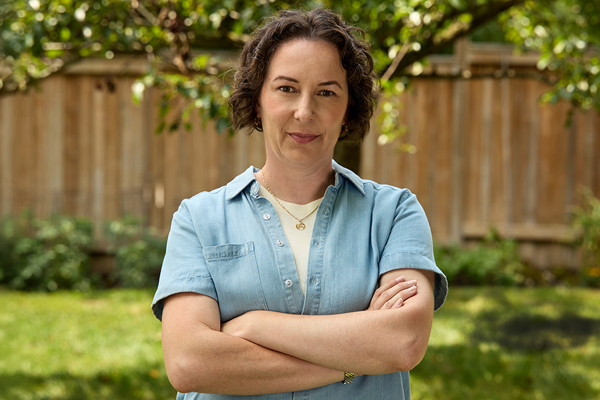
This life stage brought new challenges: sleep issues, hot flashes, brain fog. After doing her research and talking with peers, Adria came to learn about the increased risk for heart disease and stroke around menopause. She wishes her mother had known about it, too.
Now, Adria shares this knowledge with the women around her, hoping they’ll give themselves the same love and attention they so often give to others — and protect their hearts in the process.
The reality is that 90% of women don’t know their unique risk factors for heart disease and stroke, even though they are the leading causes of premature death for women in Canada. As International Women’s Day approaches, we’re shining a light on how a woman’s risk changes across life stages. Understanding your risks is the best way to empower yourself to take preventative action, so you can keep living the life you love.
What is a heart disease or stroke “risk factor”?
A risk factor is anything that increases the likelihood of developing a condition or disease. For heart disease and stroke, some risks — such as age or genetics — are beyond our control. But many others can be managed with lifestyle changes and proactive care, including monitoring and taking medication for conditions like high blood pressure and diabetes.
For women, risk isn’t static. It’s influenced by hormonal changes, during life stages including pregnancy, perimenopause and postmenopause. These transitions can increase your vulnerability to heart disease and stroke, so it’s important to get regular check-ups and monitor for changes. Life can be busy, but your heart and brain health matter. Knowing your personal risk factors is self-care.
How a woman’s risk for heart disease and stroke changes over her life
1. Pregnancy
Pregnancy is a time of joy — but it can also introduce hidden risks. Conditions such as gestational diabetes and high blood pressure during pregnancy can both affect the baby and raise the mother’s long-term risk for heart disease and stroke. Complications such as preeclampsia can also leave lasting impacts on a woman’s heart and brain health. These risks often go unrecognized, making it critical to share your pregnancy history with healthcare providers throughout your life.
2. Perimenopause
Perimenopause happens in the years leading up to menopause, when symptoms such as hot flashes, brain fog and weight gain can occur. Menopause marks the end of a woman’s reproductive years and a turning point for heart and brain health. During menopause, estrogen levels decline, removing a natural protective factor against heart disease and stroke. This hormonal shift can lead to increased blood pressure and changes in cholesterol. Research shows that cardiac changes can start before symptoms appear, underscoring the importance of early awareness and proactive care.
3. Postmenopause
Postmenopause comes next, and it’s a time when the risks compound. Aging and hormonal changes both have a role to play, as women become more vulnerable to conditions such as atrial fibrillation, high blood pressure and depression, which can amplify the risk of heart disease and stroke. Traditional risk factors, such as smoking, diabetes and obesity, hit women harder at this stage. Combined with earlier life exposures (including pregnancy complications or early menopause), these factors can significantly impact heart and brain health later in life.
Understanding the evolving risks of these life stages allows you to act early on that knowledge. That can make a profound difference to your health and quality of life for decades to come.
Know your (and your loved ones) risk – the NEW Heart & Stroke Risk Screen tool
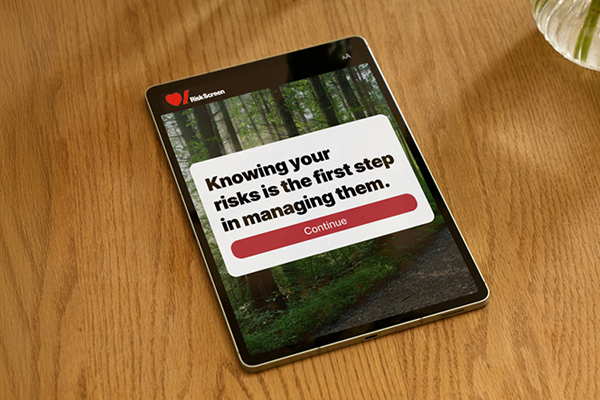
Knowledge is power, and the Heart & Stroke Risk Screen tool puts that power in your hands. In just minutes, the tool provides:
• A customized risk profile highlighting what you can change, what you can’t and what you’re already managing well.
• A detailed report with actionable steps customized to your personal risk factors.
• Ongoing support through resources and tips to help you stay on track.
When you know your risks, you can make informed choices that protect your future and keep you active and present for the moments — and people — that matter most to you.
Why knowing your risk matters
Heart disease and stroke are among the leading causes of premature death for women in Canada. Yet 90% of women don’t know their unique risk factors. By understanding risks and taking proactive steps, we can change the narrative — and live longer, healthier and happier lives.
Heart and brain health isn’t just a women’s issue — it’s an issue for loved ones too. Encourage the people you care about to take the Risk Screen tool. Awareness saves lives, and your support can make all the difference.
Take Action!
1. Learn more about Heart & Stroke and how you can support women’s heart health.