The Crowsnest Pass cuts through the southwestern corner of Alberta like a seam between worlds. The Rocky Mountains rise in jagged, snow-capped ridges and eventually give way to the foothills and open into the vast sweep of the prairies. Between them, a valley carved by glaciers and threaded by the Crowsnest River, where forests of spruce and pine crowd the slopes and grizzly bears, elk, wolves and deer have moved through for thousands of years. It is one of the most ecologically significant wildlife corridors in Alberta and North America.
Wildlife Conservation Starts With Years of Preparation
Drive Highway 3 through the Crowsnest Pass right now, and you’ll see something that would have seemed unlikely not long ago: wildlife mitigation infrastructure going into one of Alberta’s most heavily trafficked mountain corridors. These underpasses and fencing are designed to let animals move safely across a landscape bisected by asphalt and commerce.
Alberta Ecotrust Foundation isn’t building this infrastructure. But we spent years funding the citizen science and transportation planning work that built the case for it – the data, the relationships, the organizational capacity to make the argument and sustain it until someone listened. Several organizations have worked for decades to champion this work, and few will trace it back that far, but the path is real.
Building Community-Led Environmental Solutions
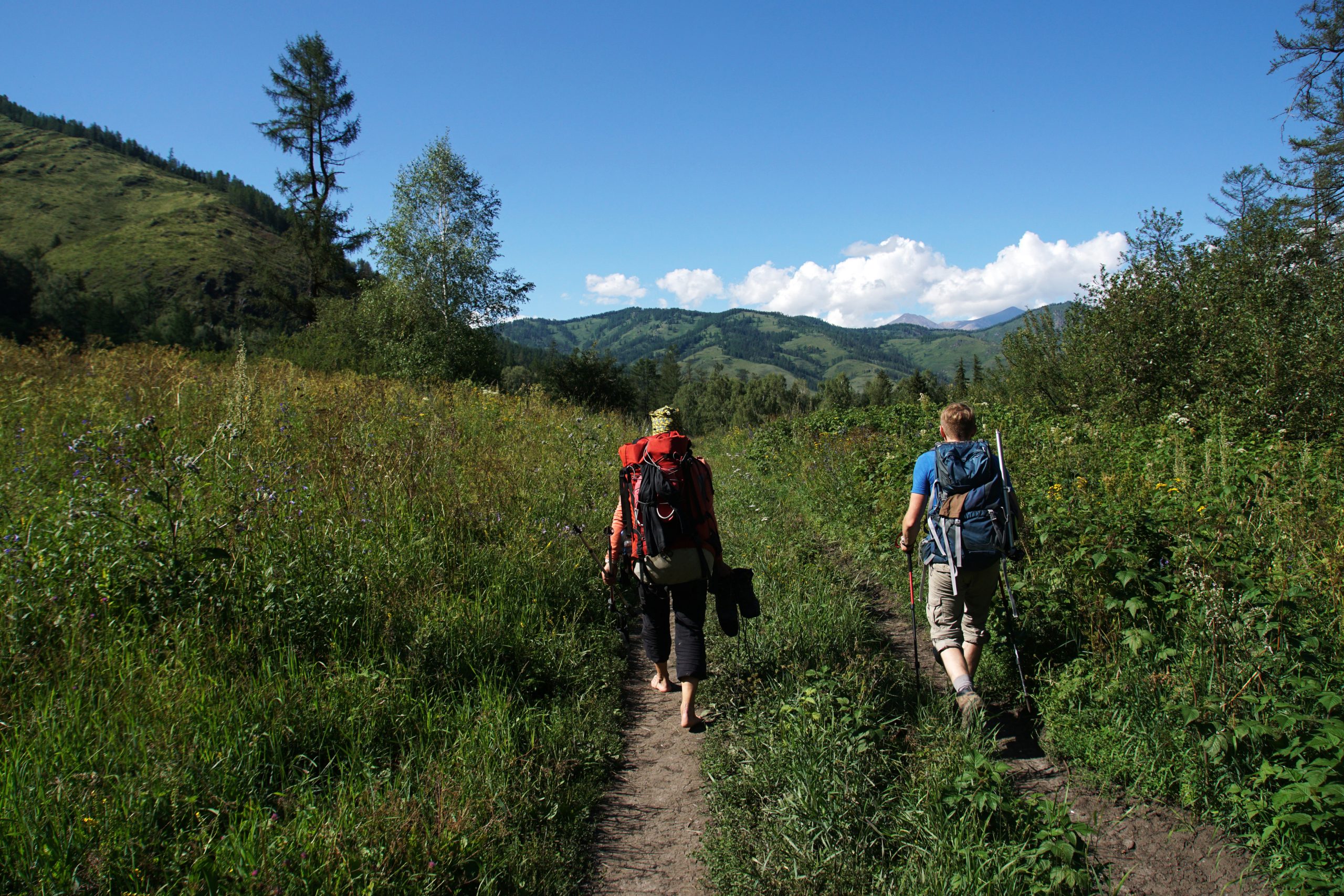
Leave the highway and follow the water uphill, and you will encounter upstream creeks and tributaries and organizations undertaking ecological restoration in Alberta, and on-the-ground engagement that rarely makes headlines: working with off-highway vehicle (OHV) users, in the way the Oldman Watershed Council has done for years, to turn a community that loves this land into one that actively stewards it. Getting OHV enthusiasts into restoration projects isn’t a compromise. It’s exactly the kind of trust built across difference that makes durable environmental progress possible.
This work is a constant reminder of how environmental progress is rarely a straight line from grant to outcome. More often it looks like this: sustained investment in people and organizations doing foundational work, year after year, until the conditions shift and something becomes possible that wasn’t before.
Indigenous Land Stewardship In Action
On Piikani Nation lands, in the same Oldman River Watershed the Crowsnest River flows into, the Piikani Lands Department is doing something that looks simple from the outside: repurposing organic waste to rejuvenate prairie grasslands. But the project is about more than compost. It is about a community taking control of a local resource, changing the narrative around waste and advancing its own autonomy and land stewardship goals on its own terms. The circular economy, in this context, is not a policy framework. It is an expression of self-determination.
Supporting Alberta’s Clean Energy Transition
The same winds that move through the Pass, turning countless wind turbines, are reshaping Alberta’s electricity grid. For more than five years, Alberta Ecotrust provided consistent funding to the Alberta Energy Efficiency Alliance. That sustained support helped provide the resources needed to engage seriously with a complex, rapidly evolving system. Today, Alberta is building a smarter electricity grid, one that draws on local energy sources and works with users to manage demand, not just supply.
Why Long-Term Environmental Impact Requires Patience
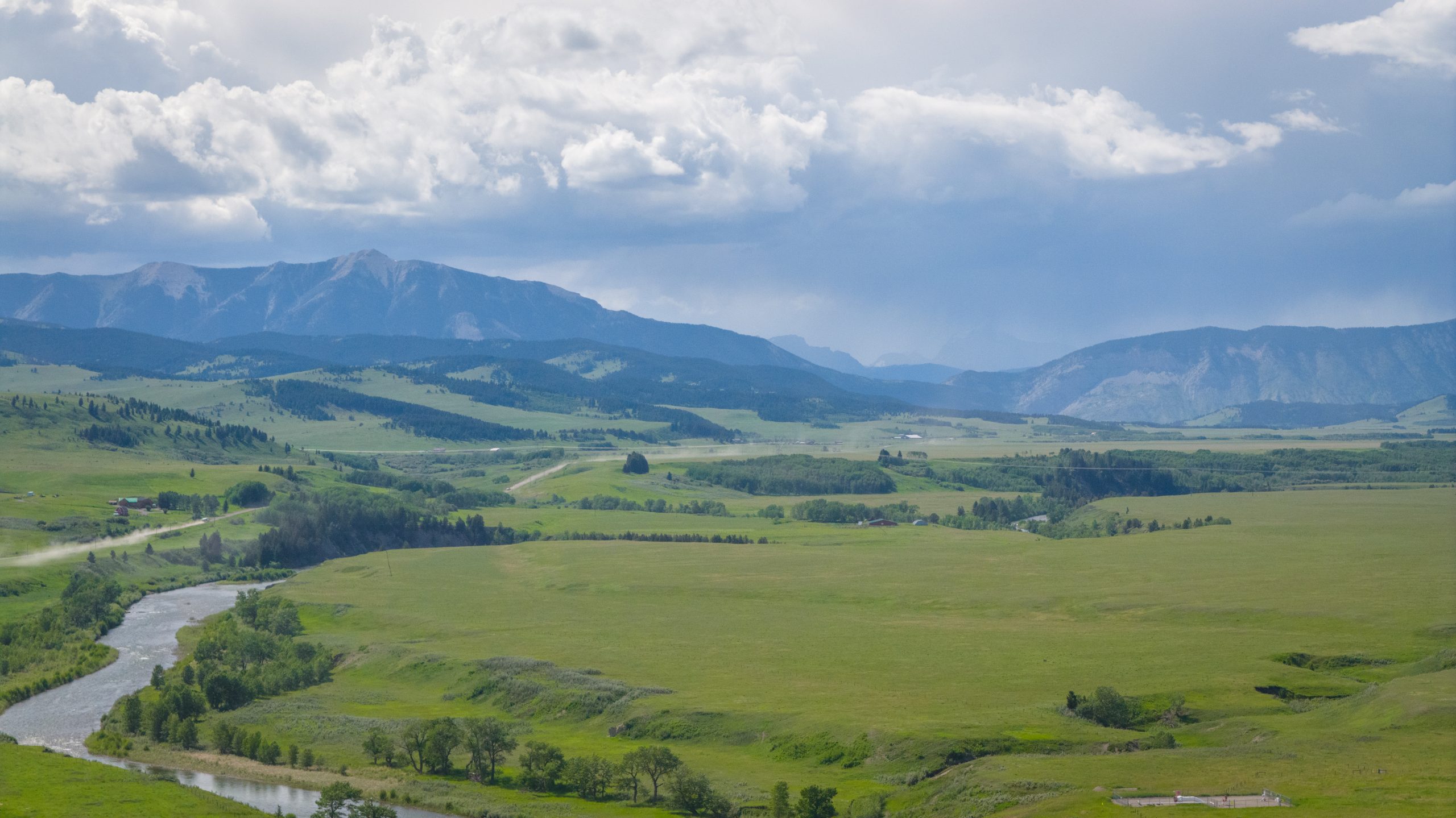
What we’ve learned over 35 years of advancing climate and environmental solutions in Alberta is that lasting progress depends less on any single intervention than on the depth of trust and expertise built into a community of practitioners over time. The organizations we fund are repositories of knowledge, relationships and credibility. The people leading this important work in Alberta rarely fit a single profile. They come from ranching, from engineering, from Indigenous land stewardship, from urban planning, from the trades. What they share is a deep connection to place and a willingness to do patient, challenging work in service of a brighter future.
When we look across the more than 900 projects we’ve funded since 1991, we see a long arc of change and a future full of possibilities. Our supporters invest in this approach, in the power of relationships across differences, and in the idea that lasting environmental progress is achieved by communities, businesses, governments and organizations like ours working together.
Environmental Stewardship in Alberta Benefits Everyone
Every Canadian lives downstream of another in some way. The rivers that originate in these mountains and foothills flow east across the prairies and north toward the Arctic, carrying water that sustains agriculture, communities and ecosystems far beyond this province. What gets protected here, or lost here, travels. Change developed in one place rarely stays there. And Alberta, it turns out, has been developing it for a long time.
When you choose to support Alberta Ecotrust, you become part of that work. And the work, as it turns out, flows a long way.